Marine Ecological Innovation Lab
Developing Leading solutions for ocean resilience
Aquatic Dynamics validates high-potential marine ecological innovations for practical, deployable solutions, before time, funding, or confidence is lost.
Our work spans AI, biodiversity monitoring and engineered, nature-based solutions for resilient coastal and offshore environments.
Working through consultancy, partnerships, and in house product development, we support conservation, aquaculture, and offshore development with solutions grounded in ecological understanding and material traceability.
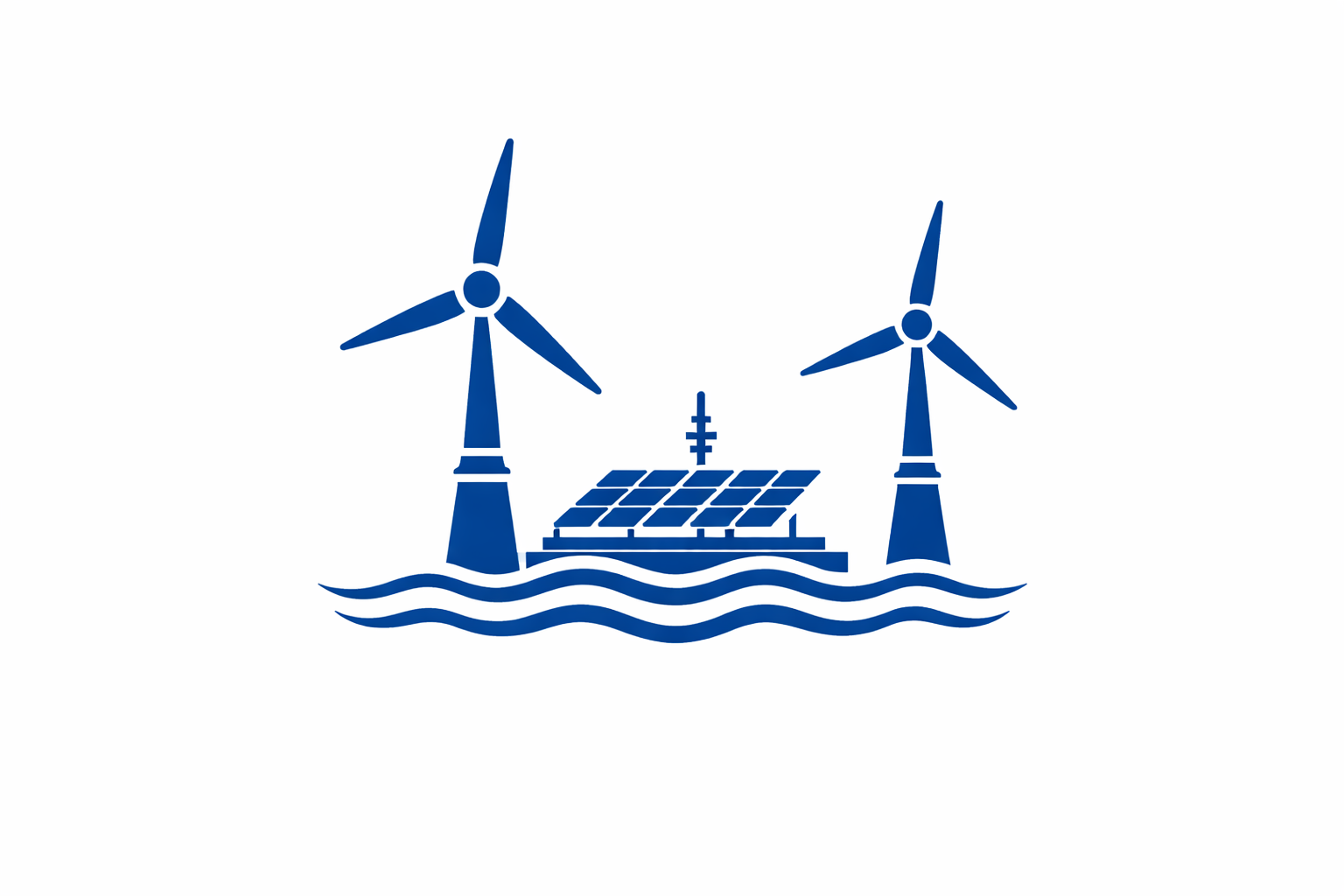
Offshore Renewables
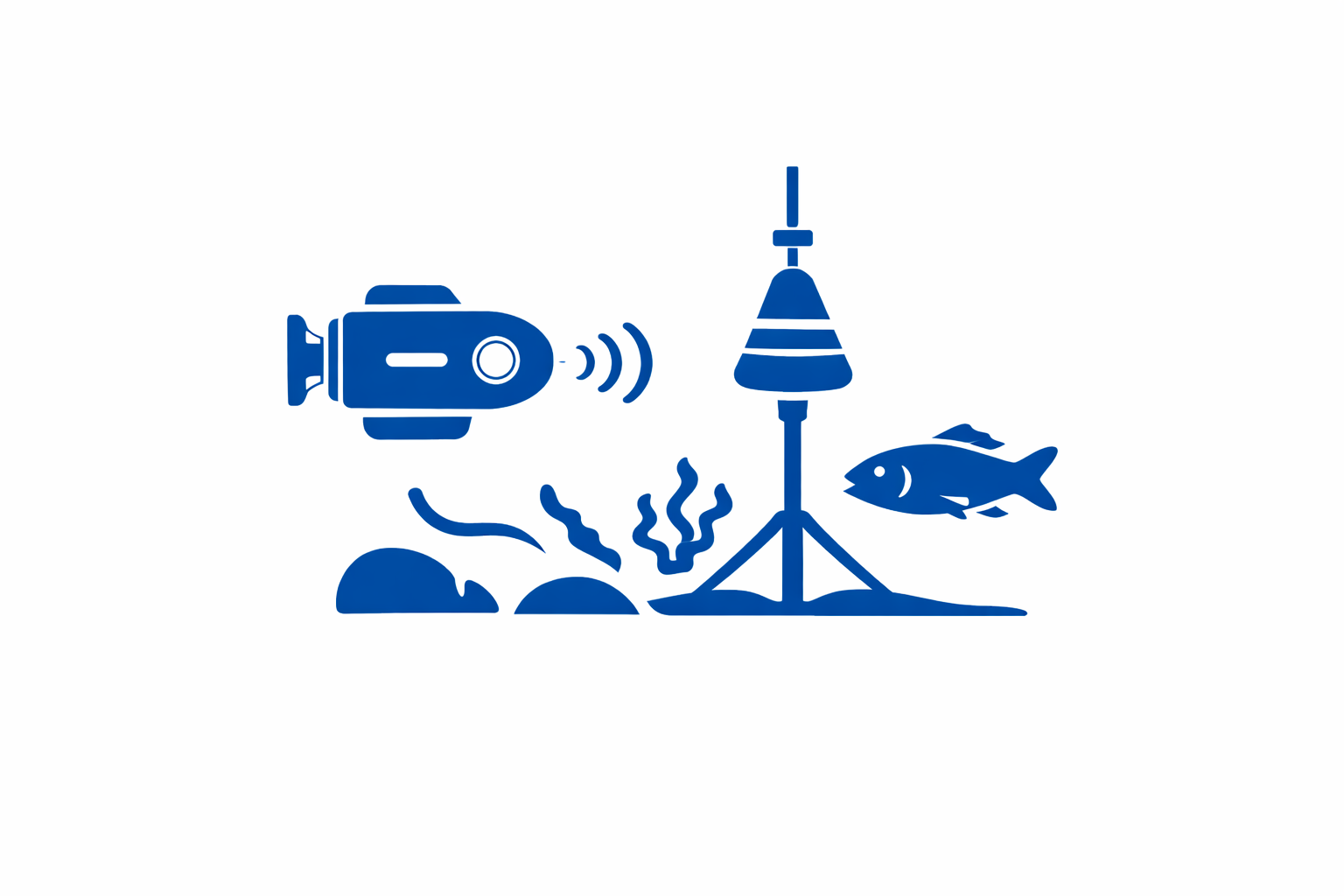
Marine Monitoring

Nature Based Solutions
Restorative Aquaculture

How we support Projects
Marine and coastal innovation rarely fails because of a lack of ideas. It fails when assumptions go untested, objectives are unclear, or trials produce data that cannot support real decisions.
Aquatic Dynamics supports projects through the AD³ Framework (Assess, Define, Demonstrate, Deploy). A structured but flexible approach designed to reduce technical, ecological, and reputational risk as ideas move from concept to reality. The focus is not speed for its own sake, but clarity, ensuring each stage meaningfully informs what comes next.
Assess
Why it matters: Early appraisal prevents expensive missteps. We test feasibility, readiness, and deployment risk before time, budget, or reputation is tied to an approach that may not stand up offshore.
Common pitfalls avoided: over-promising performance, underestimating failure modes, unclear readiness, and progressing to trials that can’t succeed.
Define
Why it matters: Poorly defined objectives lead to pilots that generate data but no decisions. We clarify use-cases and evidence requirements so results are meaningful to operators, regulators, and partners.
Common pitfalls avoided: collecting the wrong data, success criteria changing mid-trial, and evidence that can’t be used in consenting or procurement decisions.
Demonstrate
Why it matters: Demonstrations fail when they optimise for novelty rather than scrutiny. We design pilots that hold up in real conditions and under external review, reducing technical and reputational risk.
Common pitfalls avoided: unrealistic trial environments, weak controls, no plan for failure, and results that can’t be defended to stakeholders.
Deploy
Why it matters: The jump from trial to operation exposes hidden costs
case Studies

Clients and Partners